

Lesson plans
This section offers a variety of lesson plans for teaching natural sciences and geoparks, designed for both classroom and outdoor settings. Each plan includes hands-on activities, inquiry-based tasks, and real-world connections to geological features. A set of practical guidelines for planning and conducting safe and engaging outdoor excursions is also included.
Content:
Living in your landscape, Ireland
A Transition Year module plan for 12 lessons over 6 weeks. It allows students to explore their town or village, learn about the inherent risks from geohazards and climate extremes and build a community action plan for their community to make it more resilient for the future. A great introduction preparing for the new Climate Action and Sustainable Development subject for the senior cycle in Ireland.
7th grade, Norway
A suggestion for 3 lessons for 7th grade on the legendaric Hespriholmen far west in the geopark, the quarry for stone age axes during almost 6000 years. The lessons are connected to the Learning Objectives for 7.th grade, but do not imply visiting the remote island.
10th grade, Norway
A suggestion for 3 lessons for 10th grade on the pyrite Mines at Litlabø, Stord, producing from 1860’s to 1967, leaving 90 km of tunnels and a strong identity. The lessons are related to the Learning Objectives for 10.grade in Science and Social Studies, and implies a visit to the mines.
Colline Metallifere, Italy
Example of lesson plans for Colline Metallifere in Italy
Exploring landslides, Romania
This two-part teaching plan combines classroom and field activities to teach students about landslide causes, types, risks, and prevention. Classroom work uses a short presentation, image analysis, hands-on models (sand, plasticine), role-playing, and creative poster projects to build observation, teamwork, and risk‑assessment skills. The outdoor lesson guides teams through field observation, sample collection, sketches, photos, and safety-focused exercises to read real landslide signs and evaluate impacts. It can be adapted for different grades, based on the instructions within.
Practical tips for field excursions
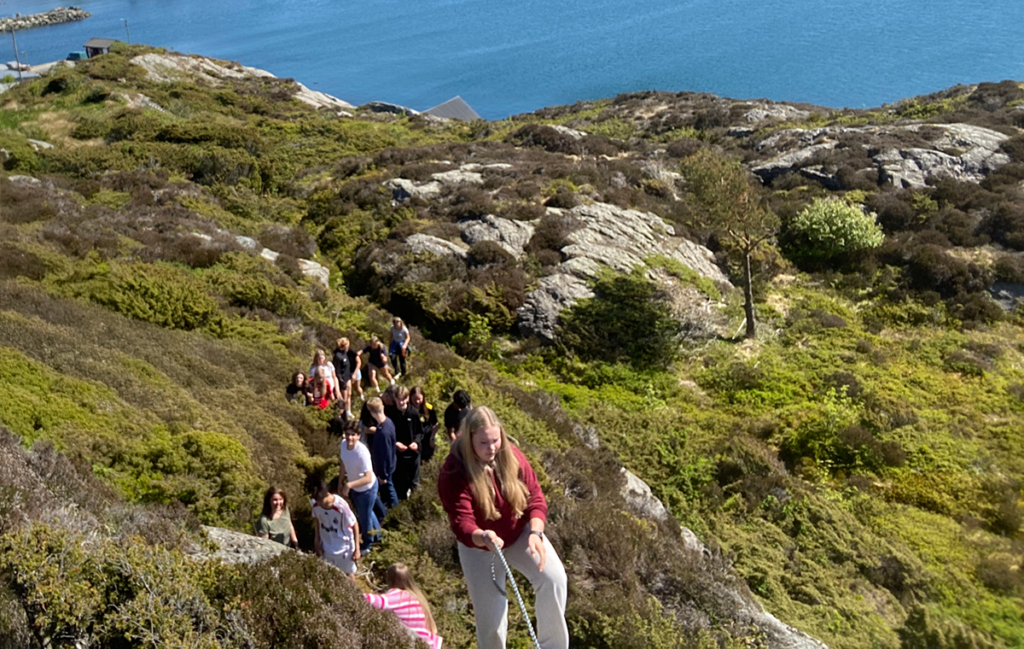
1. Hydration: Dehydration can lead to fatigue, decreased coordination, and heat-related illnesses, which can impair your ability to lead effectively. Encourage the students to drink water before the excursion and carry a water bottle with them. The teacher should carry an extra bottle in case someone needs extra water.
2. Nutrition: Maintaining your energy levels is crucial for the endurance needed and focus, especially when you are responsible for others and during the latter parts of the walk where other’s energy levels maybe dipping. Make sure students have a healthy meal before the walk, and bring a packed lunch if the trip is longer.
3. Proper Gear: Proper gear can prevent discomfort and injuries, which can drain your energy and focus. It will also ensure that you are warm – and prepared for different conditions.
Wear appropriate clothing for the weather. Layering is key to managing changing temperatures. Use comfortable, broken-in, and supportive footwear suitable for the terrain.
Always check the weather forecast ahead of time and certainly before heading out on the day to adjust equipment accordingly.
4. Prepare for the unforeseen: You should always carry a basic first aid kit for emergencies. Have a plan for emergencies, including knowledge of the nearest exits or pathways.
5. Access and insurance: It is vital to respect the local wildlife as well as the local residents. Some sites may appear open but are actually under private ownership, some being active farms. It is important to engage with the local community when visiting outdoor sites. Beware of specific time of the of the year when farm or wild animals are active. Make sure you, or the bus bringing you, park in the designated area.
6. Toilet facilities: Check whether the site you are visiting offers any toilet facilities. If not, prepare yourself and the group in advance.
7. Litter: Always bring a bin bag with you and collect all packaging, bottles or other litter you brought with you. And if you find litter there, collect it to help protect the site.